
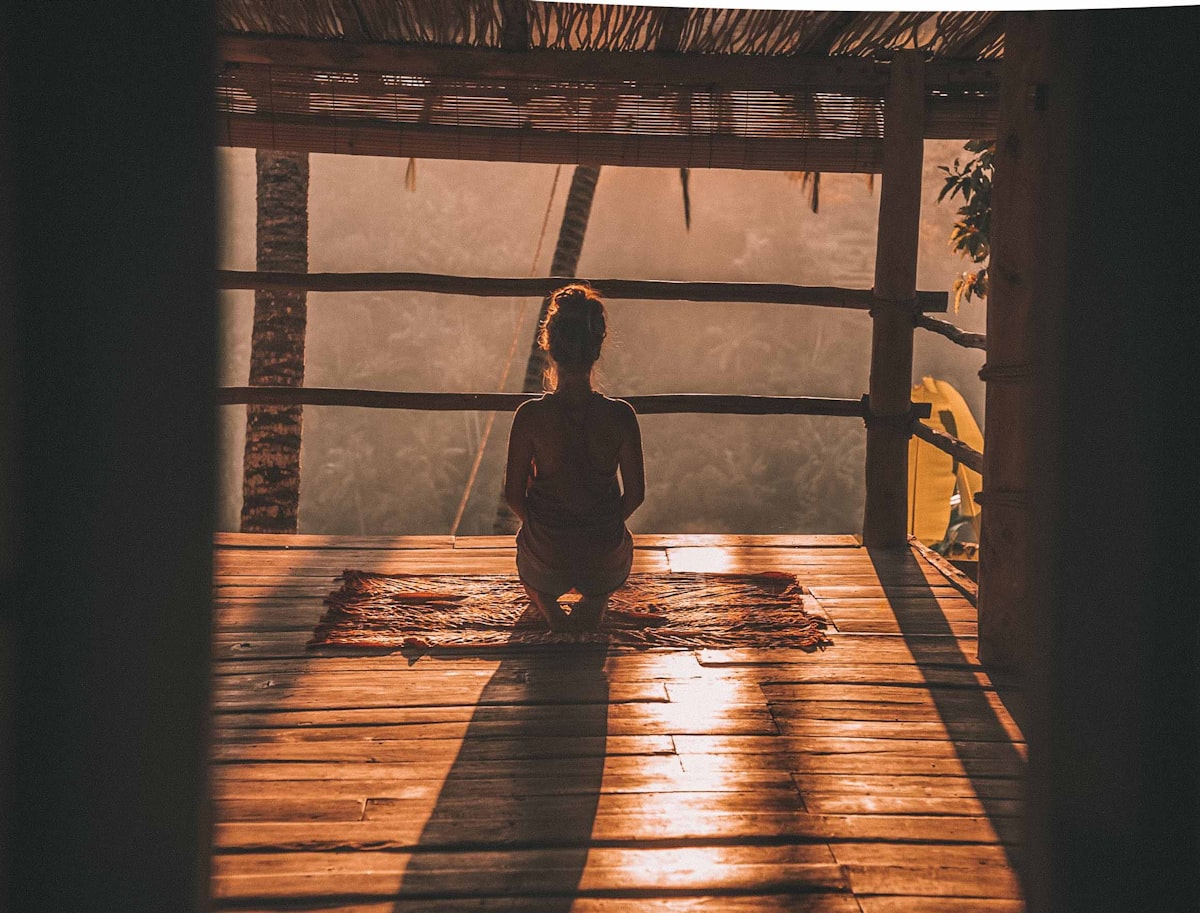
Digital Detox Activities: Creative Offline Hobbies for Adults
The average European adult spends over four hours a day looking at screens outside of work. That adds up to roughly 60 full days every year — spent scrolling, streaming, and swiping through content that rarely leaves a lasting impression.
Meanwhile, rates of anxiety, poor sleep, and difficulty concentrating keep climbing. The connection isn't always straightforward, but a growing body of research suggests that how we spend our screen time matters enormously — and that stepping away from it, even briefly, can make a real difference.
This guide covers what a digital detox actually involves, what the science says about its benefits, and — most importantly — what to do with all that reclaimed time. Because the hardest part of reducing screen time isn't putting the phone down. It's finding something better to pick up.
What Is a Digital Detox?
A digital detox is a deliberate period of time spent away from digital devices — your phone, tablet, laptop, and television. It can be as short as a single screen-free evening or as long as a full month without social media.
The point isn't to reject technology. Phones and computers are essential tools. A digital detox is simply a conscious pause — a chance to let your mind recover from the constant stream of notifications, feeds, and alerts that define modern daily life.
Digital Detox vs Social Media Detox
These two terms often get used interchangeably, but they're different things:
- Digital detox: A break from all digital devices — phones, computers, tablets, and televisions
- Social media detox: A break specifically from social media platforms (Instagram, TikTok, Facebook, X) while still using other apps and devices normally
A social media detox is often the natural first step towards reducing screen time. It's less disruptive to daily life and, as recent research shows, can still deliver meaningful mental health results.
The Benefits of a Digital Detox: What the Research Shows
The case for periodically disconnecting from screens is growing stronger. One of the most significant recent studies was published in November 2025 in JAMA Network Open, one of the world's leading medical journals. A research team connected to Harvard Medical School asked young adults to abstain from social media for one week and measured the effects.
The results were striking:
- Anxiety symptoms decreased by 16.1%
- Depression symptoms decreased by 24.8%
- Insomnia symptoms decreased by 14.5%
An interesting wrinkle: participants' total screen time stayed roughly the same. They replaced social media with other digital activities rather than going fully offline. But the shift away from algorithmically-driven content alone was enough to produce measurable improvements in wellbeing.
The study's lead author, Associate Professor John Torous, noted that simply telling people to "stop using social media" isn't sufficient. What matters is identifying which parts of your screen time are draining you — and finding meaningful alternatives to fill that space.
That raises an obvious question: if simply switching away from social media helps, what happens when you replace that time with something genuinely fulfilling? Something that engages your hands, focuses your mind, and gives you a tangible result?
Over three hours of daily social media use has been linked to double the risk of anxiety and depression in young people (U.S. Surgeon General's Advisory, 2023). The average is around two hours per day — and according to researchers, this is the most mentally taxing portion of overall screen time.
Note: The JAMA study was short-term (one week) with young adult participants. More research is needed on long-term effects, but the direction of evidence is consistent and encouraging.
Digital Detox Activities for Adults: 12 Screen-Free Ideas
The biggest challenge of any digital detox isn't putting the phone down — it's knowing what to do next. Your hands reach for something to hold, and your mind craves stimulation. Here are twelve offline hobbies that genuinely fill that gap, grouped by mood and energy level.
Creative Hobbies (Hands-On)
- Paint by numbers — No artistic experience needed. Follow the numbered sections, fill them with colour, and watch a complete painting emerge section by section. It's meditative, satisfying, and entirely screen-free. Read the beginner's guide →
- Diamond painting — A cross between a mosaic and a jigsaw puzzle. You place tiny sparkling resin gems onto an adhesive canvas, one by one. The repetitive motion is deeply calming, and the finished result catches light beautifully. Learn what diamond painting is →
- Sketching or drawing — A pencil and a notebook. Draw your coffee cup, the view from your window, your houseplant. No talent prerequisite — just observation.
- Knitting, crocheting, or cross-stitch — Rhythmic, portable, and productive. You end up with something wearable or giftable.
- Jigsaw puzzles — Satisfying solo or shared, and available in every difficulty level.
Active Hobbies
- Walking without headphones — Leave the podcast at home for once. Listen to birdsong, traffic, wind. It feels odd at first, then surprisingly grounding.
- Yoga or stretching — Instead of following along on YouTube, attend a local class or learn a short sequence and practise from memory.
- Gardening — Digging in soil is one of the oldest forms of hands-on therapy. Even a few pots on a balcony qualify.
- Cycling or hiking — Physical movement in nature, without a screen measuring your every step.
Restful Hobbies
- Reading a physical book — Not on a Kindle or tablet. Paper. The difference in how your brain processes a printed page versus a screen is well documented.
- Cooking from a recipe book — Put the tablet away and crack open an actual cookbook. Flour-dusted pages included.
- Board games or card games — An ideal screen-free evening activity with family or friends. No charging required.
Why Creative Hobbies Are the Best Screen Replacement
Not all offline activities are equally effective at filling the gap left by screens. Research on flow states — that feeling of being so absorbed in an activity that you lose track of time — suggests that hands-on creative hobbies are particularly powerful substitutes.
Here's why. Scrolling through social media delivers rapid, shallow dopamine hits: quick bursts of novelty that leave you wanting more. Creative activities like painting, diamond art, and knitting work on a different principle. They demand just enough concentration to quiet the mental chatter, but not so much that they become stressful. The result is a calm, sustained sense of satisfaction that screen-based entertainment rarely provides.
There's also the question of what you're left with afterwards. After two hours of scrolling, most people struggle to recall a single thing they saw. After two hours of painting, you have a physical object — something you made with your own hands. That distinction matters more than it might seem.
Neuroscience professor Minna Huotilainen at the University of Helsinki has studied how everyday choices affect brain health. She emphasises that replacing fast-paced digital content with slow, focused, hands-on activity helps the brain rebuild its capacity for sustained attention. It's not just a break from screens — it's active training for your concentration.
| Screen Time | Hands-On Creative Hobbies |
|---|---|
| Rapid dopamine spikes | Calm, sustained satisfaction |
| Passive consumption | Active creation |
| Blue light disrupts sleep | No impact on sleep rhythm |
| Fragments attention | Strengthens focus |
| "What did I just do for 2 hours?" | A tangible result in your hands |
Paint by Numbers: A Mindful Digital Detox Activity
Paint by numbers is one of the simplest ways to start a creative hobby from scratch. Everything you need — canvas, acrylic paints, and brushes — comes in the kit. There's no blank-canvas anxiety, no lengthy supply list, and no artistic talent required. You match colours to numbers and paint.
What makes it particularly effective as a digital detox activity is the way it captures your attention. Each small numbered section demands just enough focus to stop your mind from drifting towards your phone. Many people describe the experience as genuinely meditative — similar to a mindfulness exercise, but with a finished painting to show for it.
Why paint by numbers works for a digital detox:
- Zero setup barrier — open the kit and begin. New to it? Our step-by-step guide walks you through everything.
- Mindful focus — concentrating on one colour and one area at a time is a form of active meditation
- Visible progress — every painted section brings a noticeable change, keeping motivation high
- Flexible time commitment — paint for 20 minutes or two hours. Pick it up and put it down as you like
- A personal touch — you can turn a favourite photo into a custom paint by numbers kit
Curious about the types of paint used in these kits and how they compare to other art materials? Our guide to oil, acrylic, and watercolour paints covers it in detail.
Diamond Painting: The Sparkling Screen-Free Alternative
If painting doesn't appeal to you, diamond painting offers a completely different creative experience with the same calming benefits. Instead of brushes and paint, you use a small stylus to pick up tiny resin gems and place them onto a coded adhesive canvas. The finished piece sparkles in the light — somewhere between a mosaic and a sequinned artwork.
The repetitive pick-and-place motion is remarkably soothing. Many people find it easier to reach a flow state with diamond painting than with almost any other craft, precisely because the movements are so simple and rhythmic. It's often described as "adult Lego" — absorbing, methodical, and quietly satisfying.
Diamond painting as a digital detox hobby:
- No artistic skill needed — if you can place a sticker, you can do diamond painting
- Tidier than painting — no water cups, no wet brushes. Perfect for a late-evening craft session
- Deeply repetitive in the best way — the rhythm of the work quiets anxious, restless thoughts
- Impressive results — completed pieces catch the light and look stunning mounted on a wall
New to the craft? Our diamond painting beginner's guide covers everything from tools to technique. You can also create a custom diamond painting from your own photo — a meaningful project that's entirely personal.
Building a Screen-Free Evening Routine
Evenings are where most screen habits live — and where a digital detox can have the biggest impact on your sleep and wellbeing. Swapping even one hour of bedtime scrolling for a calming offline activity can noticeably improve how quickly you fall asleep and how rested you feel in the morning.
Here's a simple screen-free evening structure that works:
- Set a cut-off time. Choose when screens go off — 8pm, 9pm, whatever fits your life. Put your phone in another room or switch it to aeroplane mode.
- Create atmosphere. Brew a cup of herbal tea or hot chocolate. Light a candle or switch to warm lighting. Bulbs rated at 2700–3000K are ideal — they support melatonin production rather than suppressing it, unlike the cool white light from screens.
- Start your activity. Pull out your paint by numbers canvas, diamond painting project, book, or sketchpad. Spend 30–60 minutes absorbed in something with your hands.
- Wind down gently. When you stop, tidy up slowly. Wash your brushes, seal your diamond painting tray, close your book. This small ritual signals to your body that the day is winding down.
Many craft hobbyists report that this routine makes falling asleep markedly easier. The mind is already in a calm, focused state — no jarring transition from bright screen to dark bedroom.
Lighting Tips for Evening Crafting
Good lighting matters for both the craft itself and your relaxation:
- Use a warm-toned desk lamp positioned above or to the side of your workspace, so shadows don't fall across your work
- If you paint or craft regularly in the evenings, an adjustable LED desk lamp with colour temperature control is a worthwhile investment
- Avoid relying on overhead ceiling lights alone — they cast harsh shadows and strain the eyes over time
The 30-Day Digital Detox Challenge
Ready for something more structured? This four-week challenge builds gradually, so each step feels manageable rather than overwhelming.
Week 1: Awareness
- Check your phone's screen time settings and note your daily average
- Identify your peak usage times and most-used apps
- Set a modest goal: cut daily screen time by 30 minutes
- Bonus: Try one screen-free evening. Fill the time with a paint by numbers project
Week 2: Reclaim Your Evenings
- Stop all screen use 1–2 hours before bed, every night
- Replace evening screen time with an offline hobby — painting, reading, puzzles, anything with your hands
- Move your phone charger outside the bedroom
- Bonus: Paint under warm lamplight. The combination of soft light and focused brushwork is surprisingly relaxing
Week 3: Social Media Fast
- Delete social media apps from your phone for the full week
- Use the freed-up time for walks, face-to-face conversations, or a new creative project
- Pay attention to how your mood and energy shift over the seven days
- Bonus: Start a diamond painting kit or keep working on your paint by numbers canvas
Week 4: The New Normal
- Combine everything: screen-free evenings, no social media, intentional device use
- Decide which new habits you want to keep permanently
- Set personal digital boundaries — no scrolling before breakfast, no screens in the last hour before sleep
- Bonus: Frame your finished painting and hang it up. A physical reminder of a month well spent
Tips for a Successful Digital Detox
- Start small. One screen-free evening per week is a genuine achievement. Build from there.
- Replace, don't just remove. "Use your phone less" isn't a plan. "Paint for 45 minutes after dinner" is a plan.
- Tell someone. Sharing your intention with a friend or partner makes you more likely to follow through and reduces the fear of missing out.
- Build a ritual. Phone down → kettle on → candle lit → project out. Repeated sequences become automatic faster than you'd expect.
- Be patient with yourself. Checking your phone once doesn't mean you've failed. A digital detox is a direction, not a performance.
- Notice what changes. Keep a brief note: How did the screen-free evening feel? Did you sleep better? Were you calmer the next morning? Observing the benefits is what keeps the habit going.
One Small Step Away from the Screen
A digital detox doesn't demand a dramatic lifestyle overhaul. It can start with one hour tonight — phone in another room, a warm drink in your hand, and something absorbing to do.
The Harvard-affiliated research suggests that even a single week away from social media is associated with meaningful reductions in anxiety and depression symptoms. More long-term research is needed, but the pattern is consistent: less mindless scrolling, more mindful doing.
A paint by numbers kit or a diamond painting set might be exactly the screen-free hobby your evenings have been missing. They're absorbing without being demanding, creative without requiring prior skill, and calming without being boring.
Put the phone down tonight. Pick up a brush — or a diamond stylus — instead. You might be surprised by how much one quiet, screen-free evening can shift.
Frequently Asked Questions
What are the benefits of a digital detox?
Research published in JAMA Network Open (2025) found that a one-week break from social media was associated with a 16.1% reduction in anxiety symptoms, a 24.8% reduction in depression symptoms, and a 14.5% reduction in insomnia. Beyond the clinical data, most people report improved concentration, better sleep quality, and a greater sense of calm after reducing their screen time — even for short periods.
Does a digital detox actually work?
The evidence is encouraging but still developing. Short-term studies show clear mental health improvements from social media breaks. The key is finding meaningful offline activities to fill the time — simply putting your phone down without a replacement often leads to picking it back up within minutes. Pairing your detox with a hands-on hobby like painting or crafting makes the change far more sustainable.
How long should a digital detox last?
There's no single right answer. A single screen-free evening can already feel refreshing. The JAMA study measured meaningful results after just one week. You can start with an hour-long evening break and gradually extend it to full weekends or the 30-day challenge outlined above. The most important factor is consistency — regular small breaks beat one dramatic fast that doesn't stick.
What are good offline hobbies for adults?
The best offline hobbies keep your hands and mind gently engaged. Popular screen-free options include paint by numbers, diamond painting, jigsaw puzzles, knitting, sketching, reading physical books, gardening, board games, and cooking from a recipe book. Creative hobbies tend to be especially effective because they produce a flow state — that feeling of calm absorption where time seems to disappear.
Is painting a good digital detox activity?
It's one of the most effective options. Painting — whether freehand or guided through paint by numbers — requires just enough concentration to prevent your mind from drifting to your phone, while being relaxing enough to reduce stress. The hands-on, screen-free nature of painting makes it an ideal replacement for evening scrolling, and you finish each session with something tangible to show for your time.
